

Organizing Your Spending Categories: A Step-by-Step Guide
We’ll walk you through sorting twelve months of expenses into categories that actually reflect your life and spending patterns.
Read the GuideYear-end reviews aren’t just about what went wrong. They’re about recognizing how far you’ve come — and using that momentum to plan what’s next.


Most people dread looking back at their finances. They expect to feel guilty about that online shopping spree or the dinners out that added up. But here’s the thing — you’ve probably done better than you think. Maybe you saved more than last year. Maybe you stuck to your grocery budget for three consecutive months. Maybe you finally started that emergency fund. These wins matter.
A proper year-end review isn’t about shame. It’s about recognizing real progress, understanding what worked, and building on it. When you celebrate what you’ve accomplished, you create momentum. That momentum makes planning for improvement feel exciting instead of overwhelming.
Before you can celebrate progress, you need to see it clearly. That means collecting twelve months of bank statements, credit card statements, and expense records. Yes, all of them. It sounds like a lot, but you’re building a complete picture of your year.
Go through your bank and credit card apps. Most let you download statements as PDFs. For cash spending, check any notebooks or apps where you tracked expenses. Don’t worry about perfect organization right now — just gather everything in one folder (digital or physical). You’re creating evidence of your financial behavior over the past year. That evidence is what’ll help you spot the real wins and understand where adjustments are needed.
Pro tip: Create a simple spreadsheet with month and balance. Even rough numbers help you see the year at a glance.


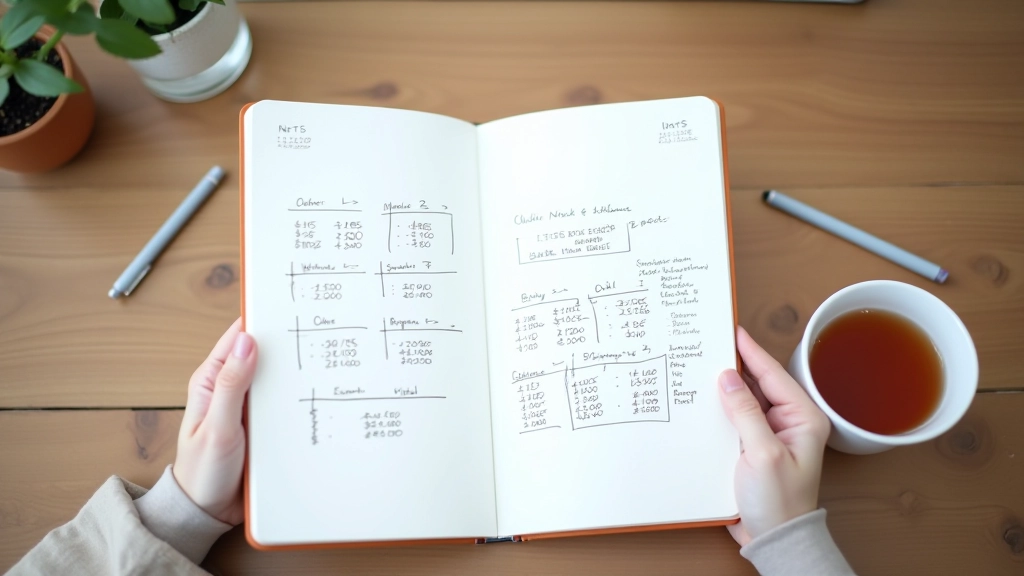
Now categorize what you spent. Look at your major categories: housing, food, transport, entertainment, utilities, and anything specific to your situation. Compare your actual spending to what you planned at the start of the year.
You’ll likely notice something surprising. Maybe your entertainment budget came in 15% under target. Maybe you didn’t have that emergency dental work you feared. Maybe your side income was steadier than expected. These aren’t small things. Consistent progress, even modest progress, compounds. It builds your confidence and your financial cushion.
Look for progress like:
Here’s where it gets interesting. When your actual spending doesn’t match your plan, there’s usually a reason. That restaurant budget that jumped 40%? Maybe you were busier with work and ate out more. That subscription you forgot to cancel? Now you know it’s there. These gaps aren’t failures — they’re information.
Write down what caused the biggest gaps. Be honest. Did you underestimate how much you’d spend on gifts? Was there an unexpected expense? Did your circumstances change? Understanding the why matters more than the what. If you changed jobs and suddenly had different transport costs, that’s not a budgeting failure — that’s life. If you didn’t realize how much streaming services cost, that’s useful data for next year.
The gaps that repeat every month deserve special attention. Those are the ones to adjust in your coming year’s plan.
This article provides educational information about personal financial review processes. It’s designed to help you reflect on your spending and plan improvements. Every financial situation is unique. If you’re dealing with significant debt, major life changes, or complex financial decisions, consider speaking with a qualified financial advisor who understands your complete circumstances. This content isn’t financial advice — it’s guidance on how to review and understand your own financial behavior.

You’ve got your wins documented. You understand your gaps. Now you’re ready to plan the coming year from a position of strength, not guilt. Adjust your budget categories based on what you actually spent. If entertainment ran higher than expected, either increase that budget or identify specific ways to reduce it. If you discovered subscriptions you forgot about, decide which ones stay.
The key is making realistic adjustments. Don’t cut your grocery budget to an unrealistic level just because you feel you should. Instead, base it on what you actually spent and what you want to change. If you spent HK$4,500 monthly on groceries last year and want to reduce it, aim for HK$4,200 — a real, achievable target. That’s progress.
Set 2-3 specific improvement goals for the coming year. Not vague ones like “save more money.” Real ones: “Build a HK$10,000 emergency fund by June” or “Reduce entertainment spending by HK$300 per month by switching to home activities.”
This review process works because it’s honest. You’re not comparing yourself to someone else’s financial life or some perfect standard. You’re comparing yourself to yourself — and that’s the only comparison that matters. You managed a household, handled unexpected expenses, maybe dealt with changes. And you did it. That deserves recognition.
When you start the coming year with a clear view of what worked and what didn’t, you’re not starting from scratch. You’re building on real progress. That’s how sustainable financial habits develop. Not through guilt or radical overhauls, but through understanding what you did, celebrating what worked, and making small, specific improvements.
Take time this week to gather those statements, spot your wins, and plan your improvements. You’ve earned the recognition. And you’re ready for what comes next.
Ready to dive deeper into your financial review?
Learn How to Set Realistic Goals for Next YearExplore more resources for a complete year-end financial assessment
We’ll walk you through sorting twelve months of expenses into categories that actually reflect your life and spending patterns.
Read the Guide
Discover why your spending deviated from your original goals. These gaps reveal where your money actually went.
Explore the Analysis
Turn your insights into concrete, achievable goals that actually motivate you to improve next year.
Build Your Goals